Price divergence and what it means for the arts
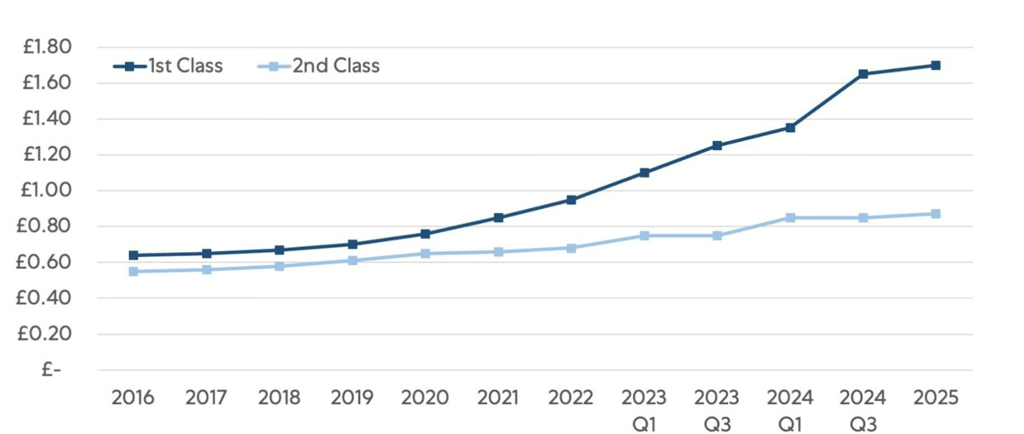
Across many industries, the gap between entry-level prices and premium options is widening. A simple example is postage. First-class stamps have risen faster than second class, and the distance between the two has grown. The same pattern is showing up across culture too. Not always neatly, and not in every venue, but with a clear direction of travel.
This does not mean everything is simply getting more expensive. It means pricing is becoming more layered. Entry points are being protected, while premium options are doing more of the financial work.
For arts organisations, the answer is not to choose between premium pricing and access. The challenge is to hold a range of prices deliberately, and to be clear about what each layer is doing.
Three practical responses
1. Design a deliberate price range
A healthy structure makes it possible to protect genuine entry points while creating higher-yield options for those who want added comfort, flexibility, or a more special experience. Whether pricing is fixed or dynamic, the key is judgement and oversight, so the range remains coherent and fair.
2. Be specific about value at the premium end
Higher prices are easier to accept when they are linked to something tangible, such as better seats, priority access, added comfort, flexibility, or a social experience that feels worth it. In tougher times, audiences are less forgiving of vague promises.
3. Build access intentionally, not through sprawling discounting
Broad concessions often confuse more people than they help. Intentional routes in are clearly defined, aimed at groups an organisation is prioritising, and easy to find and understand.
Price divergence is not a failure of values. It is a response to uneven demand in a challenging economy. Handled well, it can support resilience while keeping access real.
If this is a decision you are working through, the full article explores the pattern in more detail and sets out practical ways to design a pricing structure that is clear, fair, and defensible
Read the full article in Arts Professional here